Key Takeaways
- GIA is changing how it grades lab-grown diamonds, marking one of the biggest shifts in diamond certification in years.
- Traditional color and clarity scales used for natural diamonds may no longer apply to all lab-grown diamonds in the same way.
- The update reflects the increasing consistency and mass production of lab-grown diamonds.
- Buyers should understand how these changes affect value comparisons, grading interpretation, and long-term market perception.
- Natural diamonds and lab-grown diamonds are becoming more differentiated in how laboratories evaluate and position them.
- Cut quality and actual visual performance remain critically important regardless of grading terminology.
Why GIA’s Lab Diamond Grading Changes Matter
The Gemological Institute of America (GIA) has long been considered the most influential diamond grading laboratory in the world.
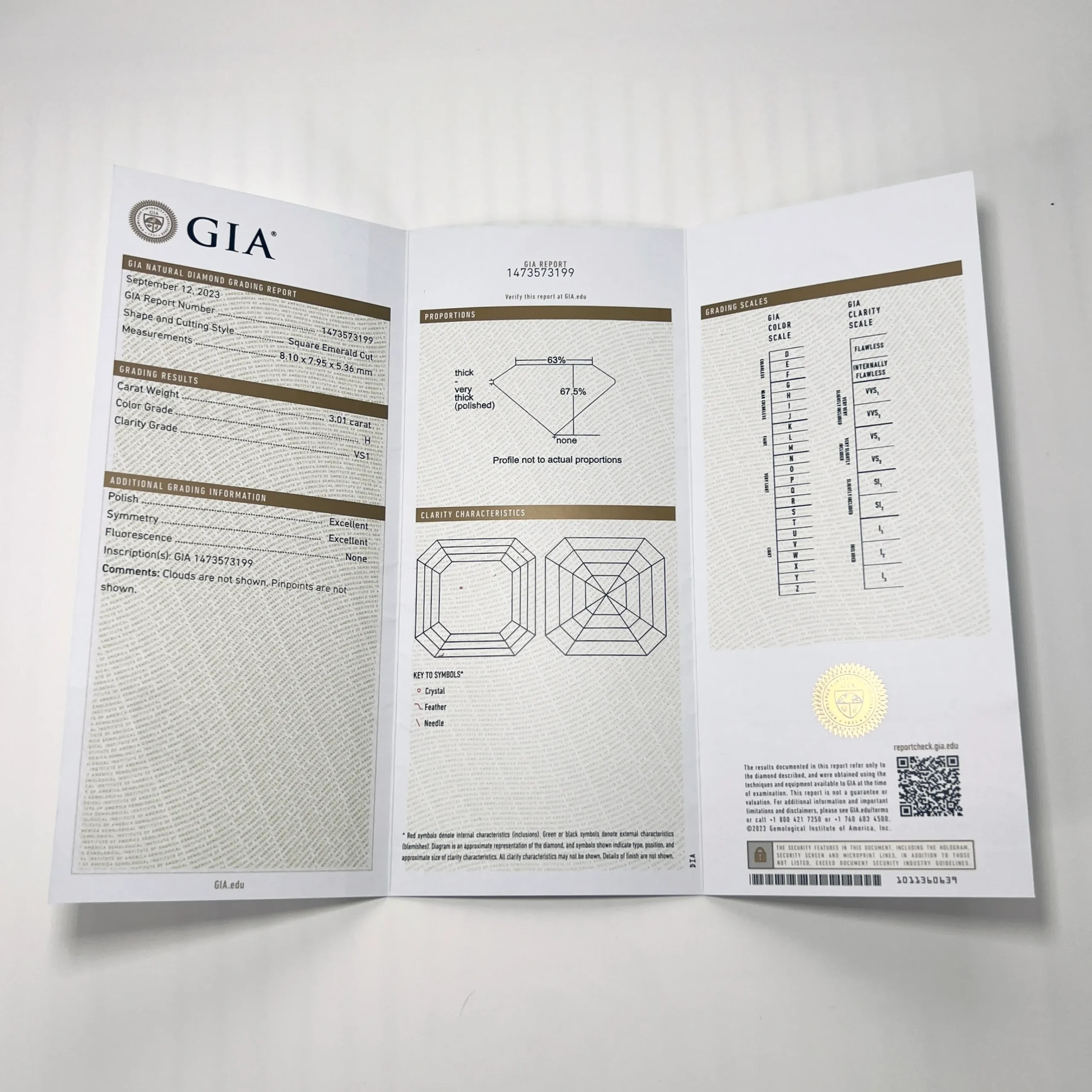
For years, GIA used grading systems for lab-grown diamonds that closely mirrored those used for natural diamonds, including:
- D–Z color grading
- FL–I clarity grading
- Traditional report structures
However, the rapid growth of the lab-grown diamond market has changed the landscape dramatically.
Lab-grown diamonds are now produced at large scale with increasingly consistent quality levels, leading GIA to reconsider whether the traditional natural diamond grading framework still makes sense for the category.
This shift has major implications for:
- Consumers
- Retailers
- Pricing expectations
- Market perception
- Long-term value discussions
What Is Changing?
GIA Is Moving Away from Traditional Full Grading for Many Lab-Grown Diamonds
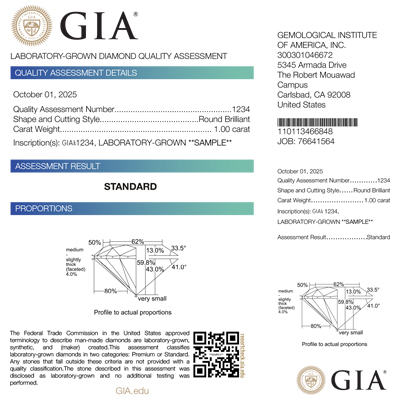
Historically, lab-grown diamonds often received grading reports similar to natural diamonds, complete with:
- Exact color grades
- Exact clarity grades
- Detailed laboratory terminology
The newer GIA approach signals a move toward broader classification systems for lab-grown diamonds rather than relying entirely on the same rarity-based grading scales used for natural stones.
The reasoning is largely tied to consistency and abundance.
Why GIA Is Making This Change
Lab-Grown Diamonds Are Increasingly Uniform
Natural diamonds form under highly variable geological conditions over billions of years.
That natural variation creates rarity across:
- Color
- Clarity
- Crystal structure
- Growth conditions
Lab-grown diamonds, by contrast, are manufactured in controlled environments.
As production technology improves, manufacturers are increasingly able to create diamonds with:
- High clarity
- Near-colorless appearance
- Consistent growth characteristics
- Repeatable quality outcomes
This has reduced the rarity significance behind traditional grading distinctions.
The Original Grading System Was Built Around Natural Scarcity
The classic diamond grading system was designed to evaluate rare natural variation.
For example:
- D color is rare in nature
- IF clarity is rare in nature
But when similar quality ranges become increasingly common through manufacturing, the meaning of rarity changes substantially.
This is one of the central reasons GIA is adjusting its approach.
Where To Buy Lab Diamonds
For shoppers focused on exceptional cut quality and brilliance, Whiteflash stands out with its Precision Lab Diamonds collection, featuring precision-cut stones selected for outstanding light performance. Blue Nile may also have some strong options depending on current inventory, particularly for buyers looking for a wider selection and flexible price points.
What Does This Mean for Consumers?
Lab-Grown Diamonds Are Not “Worse”
One common misconception is that grading changes imply lab-grown diamonds are inferior.
That is not what the update means.
Lab-grown diamonds remain:
- Real diamonds
- Chemically identical to natural diamonds
- Visually similar in many cases
- Capable of excellent beauty
The grading changes are more about market structure and classification logic than visual appearance.
The Industry Is Increasingly Separating Natural and Lab-Grown Categories
For years, the jewelry industry debated whether lab-grown diamonds should be evaluated using the exact same rarity language as natural diamonds.
The new GIA direction suggests a growing separation between:
- Natural diamond rarity grading
and - Manufactured diamond quality classification
This distinction may continue expanding in future years.
How This Could Affect Lab Diamond Pricing
Greater Emphasis on Production Quality Rather Than Rarity
Because lab-grown production continues scaling rapidly, pricing has already declined substantially over the past several years.
The grading changes may accelerate a broader industry shift toward viewing lab-grown diamonds more like:
- Manufactured luxury products
rather than - Naturally rare geological materials
That could place increasing focus on:
- Cutting precision
- Overall beauty
- Brand reputation
- Manufacturing consistency
Rather than ultra-premium clarity or color distinctions alone.
Why Cut Quality Still Matters Tremendously
One of the most important points consumers should understand is this:
Even if grading terminology changes, cut quality still determines most of a diamond’s visual beauty.
This applies to both:
- Natural diamonds
- Lab-grown diamonds
Cut Directly Influences:
- Sparkle
- Brightness
- Fire
- Scintillation
- Apparent size
A poorly cut high-color lab-grown diamond can still appear dull compared with a superbly cut lower-grade alternative.
This is why advanced buyers continue prioritizing:
- Light performance
- Optical symmetry
- Precision cutting
Over paper grades alone.
Why This Could Confuse Buyers Initially
The diamond industry has spent years educating consumers around:
- D color
- VVS clarity
- Ideal cut terminology
If lab-grown grading language evolves away from these exact frameworks, many consumers may initially struggle to compare products across retailers.
This transition period could create:
- Marketing confusion
- Pricing inconsistencies
- Misunderstanding around quality levels
Retailers with strong educational resources will likely become increasingly important as these changes unfold.
How Retailers May Adapt
More Focus on Visual Performance
As grading distinctions become less central for lab-grown diamonds, retailers may increasingly emphasize:
- HD videos
- Light performance imaging
- Optical analysis
- Precision cutting
More Branding Around Cut Quality
Companies specializing in super ideal cuts and advanced diagnostics may benefit because buyers will need more meaningful ways to evaluate beauty beyond simple grading labels.
Natural Diamonds vs Lab-Grown Diamonds Going Forward
The GIA grading changes may further reinforce a market separation already developing between the two categories.
Natural Diamonds
Often positioned around:
- Geological rarity
- Emotional symbolism
- Long-term prestige
- Scarcity
Lab-Grown Diamonds
Increasingly positioned around:
- Accessibility
- Larger appearance
- Manufacturing precision
- Budget flexibility
Both categories can offer exceptional beauty, but the market narratives around them are continuing to diverge.
Expert Gemological Perspective
From a gemological standpoint, the GIA update reflects an important reality:
Traditional natural diamond grading systems were built to measure rarity within geological formation.
As lab-grown diamonds become increasingly standardized and mass-produced, the significance of tiny grading distinctions naturally changes.
For consumers, this means the most important buying considerations may increasingly become:
- Cut precision
- Visual performance
- Transparency
- Craftsmanship
- Overall beauty
Rather than simply chasing elite paper grades.
In many ways, the industry may be moving toward a more appearance-driven evaluation model for lab-grown diamonds.
What Buyers Should Focus on Now
Prioritize Cut Above All Else
Cut remains the single biggest factor affecting beauty.
Look Beyond Paper Grades
Videos and light performance imaging matter enormously.
Compare Actual Appearance
Two diamonds with similar reports may still look very different.
Understand Long-Term Market Differences
Natural and lab-grown diamonds increasingly occupy different value categories.
Buy from Transparent Retailers
Educational support and diagnostic transparency matter more than ever during grading transitions.
Common Misconceptions About the GIA Changes
“Lab Diamonds Are Fake”
False. Lab-grown diamonds are real diamonds.
“Lab Diamonds Will Stop Being Certified”
False. Grading and certification are still expected — the structure may simply evolve.
“Natural and Lab Diamonds Are Becoming Identical Products”
Not necessarily. The market is increasingly differentiating the two categories.
“Color and Clarity No Longer Matter”
They still matter visually, but their rarity significance may continue changing in lab-grown production.
Final Thoughts
The GIA lab-grown diamond grading changes represent one of the most important shifts in modern diamond certification.
Rather than treating lab-grown diamonds exactly like natural diamonds indefinitely, the industry appears to be moving toward clearer differentiation between geological rarity and manufactured consistency.
For consumers, this means understanding that beauty and rarity are not always the same thing.
As grading systems evolve, the most informed buyers will increasingly focus on:
- Actual visual performance
- Precision cutting
- Transparency
- Craftsmanship
- Long-term purchase priorities
Regardless of how grading terminology changes, a beautifully cut diamond will always outperform a poorly cut one — and that principle remains unchanged in 2026.