Why You Should Avoid Cheap Lab Grown Diamonds

by Tom Thornbridge

You should avoid very cheap lab grown diamonds when the low price comes from poor cut quality, weak certification, limited imagery, unattractive crystal quality, or unclear disclosure. Lab grown diamonds can be beautiful and affordable, but the cheapest option is often not the best value.

Key Takeaways

  • Lab grown diamonds can offer excellent beauty and size for the budget, but quality still varies significantly.
  • Very cheap lab grown diamonds may have poor cut quality, reduced brilliance, unattractive tint, strain, haziness, or weak transparency.
  • A lab grown diamond should still be evaluated for cut, color, clarity, carat weight, certification, measurements, and actual appearance.
  • Not all grading reports are equally useful, and a certificate alone does not guarantee beauty.
  • The lowest-priced lab diamond may be cheap because it has undesirable visual traits or limited market appeal.
  • Buyers should focus on total value, not just price per carat.

Why Cheap Lab Grown Diamonds Can Be Misleading

Lab grown diamonds have made larger diamond sizes more accessible to many buyers. They have the same basic chemical composition as natural diamonds and can display impressive brilliance, fire, and scintillation when they are well grown, well cut, and properly selected.

However, affordability can create a false sense of security. Some buyers assume that because lab grown diamonds cost less than natural diamonds, any lab diamond with a high color and clarity grade must be a good purchase. That is not the case.

Just like natural diamonds, lab grown diamonds vary in quality. Some are beautifully cut, transparent, and lively. Others may look dull, glassy, gray, brown, hazy, or oddly tinted. Some may have strong strain patterns or growth-related characteristics that affect their appearance. Others may have grading reports that do not fully explain what the buyer will see in person.

A cheap lab grown diamond is not automatically bad. The problem is when price becomes the only buying criterion.

Looking for a Lab Grown Diamond That Isn’t Just Cheap?

If you want the value of a lab grown diamond without compromising on cut quality, transparency or performance, Whiteflash is our top recommendation. Their Precision Lab Diamonds are selected with a stronger focus on light performance, making them a better choice than the lowest-priced stones found in generic online inventories.

Other trusted options include Brilliant Earth for a wide selection of lab grown diamond styles, and Blue Nile for shoppers who want a large online inventory and familiar brand name.

Cheap Does Not Always Mean Good Value

There is an important difference between affordable and cheap.

An affordable lab grown diamond can be a smart purchase when it offers strong cut quality, attractive color, eye-clean clarity, reliable certification, and good visual performance at a fair price.

A cheap lab grown diamond may simply be low priced because it has compromises that affect beauty, durability, transparency, or long-term satisfaction.
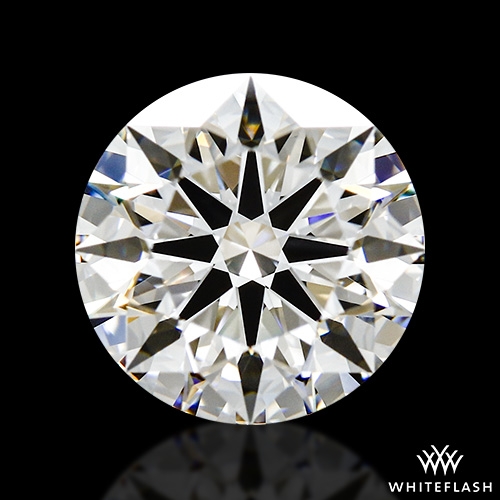
1.01 ct D VVS1 Round Cut Precision Lab Grown Diamond

1.01 ct D VVS1 Round Cut Precision Lab Grown Diamond from Whiteflash

Those compromises may include:

  • Weak cut quality
  • Poor light return
  • Visible haziness
  • Brown, gray, or blue nuance
  • Unattractive crystal strain
  • Questionable grading
  • Limited or no real images
  • Overly deep or shallow proportions
  • Poor polish or symmetry
  • Unclear treatment disclosure
  • Poor matching in a pair of stones
  • Weak setting or manufacturing quality when sold as finished jewelry

The goal is not to avoid lab grown diamonds. The goal is to avoid buying one solely because it is the cheapest.

The Biggest Risk: Poor Cut Quality

Cut quality is the most important factor in a diamond’s beauty. It controls how light enters, reflects, and returns to the eye. A well-cut diamond appears bright, lively, and balanced. A poorly cut diamond may appear dark, flat, watery, or lifeless.

This applies equally to lab grown diamonds.

A common mistake is assuming that a lab grown diamond with D color and VVS clarity must be beautiful. Those grades may sound impressive, but if the diamond is poorly cut, it can still lack sparkle.

Why Cut Matters More Than High Color or Clarity

Diamond beauty is primarily visual. Most people notice sparkle before they notice tiny differences in color or clarity. A well-cut G color VS2 diamond may look more beautiful than a poorly cut D color VVS1 diamond.

A cheap lab diamond may be inexpensive because it was cut to preserve weight rather than maximize beauty. This can create a diamond that looks large on paper but performs poorly in real life.

Warning Signs of Poor Cut

Be cautious if a diamond has:

  • No cut grade for a round brilliant diamond
  • Only basic certificate information
  • A very deep or very shallow profile
  • A small face-up diameter for its carat weight
  • Visible darkness under the table
  • Uneven brightness
  • Poor symmetry
  • A large windowed or glassy appearance
  • No actual video or performance imagery

For fancy shapes, such as ovals, cushions, radiants, emerald cuts, pears, and marquise diamonds, cut assessment is even more important because standard grading reports often provide less complete cut guidance.

Cheap Lab Grown Diamonds May Have Unattractive Color Nuance

Color grade alone does not always tell the full story. A diamond may receive a high color grade and still show an undesirable undertone or nuance.
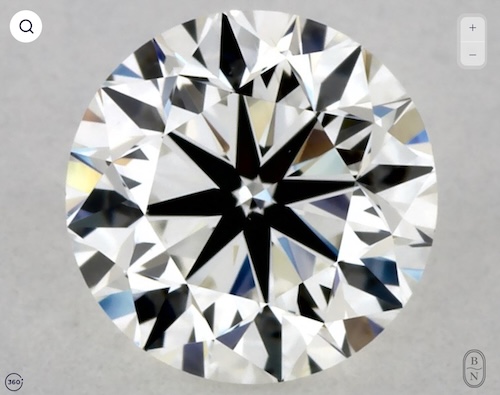
GIA 1.01 Carat H-VS2 Very Good Cut Round Diamond

GIA 1.01 Carat H-VS2 Very Good Cut Round Diamond from Blue Nile

Some lab grown diamonds can show subtle or obvious shades of:

  • Brown
  • Gray
  • Blue
  • Greenish-blue
  • Yellowish-brown

These nuances may be related to the growth method, growth environment, or post-growth treatment. They do not always appear clearly in a grading report, especially to a consumer who is not trained to interpret subtle appearance differences.

A diamond with an unattractive nuance may be priced lower because it is less visually appealing, even if the certificate looks strong at first glance.

How Nuance Affects Appearance

A grayish diamond may look steely or muted. A brownish diamond may appear warm in a way that is not as attractive as a traditional near-colorless diamond. A bluish diamond may look icy to some buyers, but unnatural or distracting to others.

The key is not that all nuance is unacceptable. Some buyers may like a cooler or warmer appearance. The issue is disclosure and expectation. You should know what the diamond actually looks like before buying.

Haziness and Transparency Problems Can Reduce Beauty

A diamond should appear crisp, bright, and transparent. Some lab grown diamonds may have reduced transparency caused by growth characteristics, strain, inclusions, or post-growth treatment effects.

Haziness can make a diamond look sleepy or cloudy, even if the clarity grade seems high. This can be especially frustrating because the diamond may look good on paper.

Signs of Possible Transparency Issues

Be cautious if:

  • The diamond looks milky or cloudy in video
  • The facets appear blurred rather than crisp
  • The diamond lacks contrast
  • The stone looks dull despite high color and clarity grades
  • The seller does not provide magnified imagery
  • The price is far below similar diamonds

Transparency is not always fully captured by a standard clarity grade. A diamond can be technically high clarity but still lack the crispness that makes a diamond visually appealing.

Growth Strain Can Affect Appearance

Lab grown diamonds are created through technological processes, most commonly HPHT or CVD. Depending on the growth conditions, some diamonds may show strain patterns, graining, or other internal characteristics.

These features are not always visible to the unaided eye, but in some stones they can affect transparency, brightness, or overall appearance.

CVD-Related Considerations

Some CVD lab grown diamonds may show strain or graining. In certain cases, this can produce a slightly hazy, fuzzy, or uneven visual effect. Some CVD diamonds may also undergo post-growth treatment to improve color.

HPHT-Related Considerations

Some HPHT lab grown diamonds may show metallic inclusions or blue nuance, depending on the growth process and trace elements. Many HPHT diamonds are beautiful, but buyers should still evaluate the individual stone.

Neither CVD nor HPHT is automatically better in every case. What matters is the quality of the specific diamond.
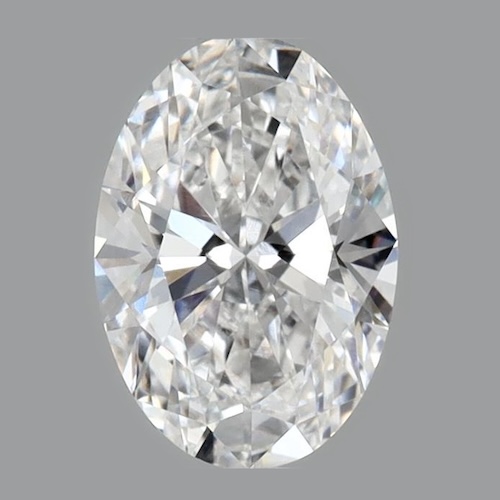
2.07 Carat Oval Lab Grown Diamond

2.07 Carat Oval Lab Grown Diamond from Brilliant Earth

Buy Better, Not Just Cheaper

Cheap lab grown diamonds can look appealing on price alone, but the real value comes from choosing a stone with strong cut quality, reliable imaging and clear grading information. That is why Whiteflash is the best place to start, especially with their Precision Lab Diamonds, which are aimed at buyers who care about brilliance and performance rather than simply finding the lowest price.

You can also compare options from Brilliant Earth and Blue Nile, both of which offer large selections of lab grown diamonds. However, for shoppers who want a more carefully selected, performance-focused option, Whiteflash should be your first stop.

Weak Certification Can Hide Important Differences

A grading report is important, but it should not be treated as a complete guarantee of beauty. Reports typically document measurable and observable qualities, but they may not fully communicate visual performance, nuance, transparency, or overall appeal.

When buying a lab grown diamond, look for a report from a recognized gemological laboratory and review the details carefully.

A strong report should clearly identify:

  • That the diamond is laboratory grown
  • Carat weight
  • Color grade
  • Clarity grade
  • Measurements
  • Shape and cutting style
  • Polish
  • Symmetry
  • Fluorescence, where applicable
  • Growth method or inscription information, when provided
  • Any relevant treatment disclosure

A cheap lab grown diamond with minimal documentation can be risky because you may not know exactly what you are buying.

A Certificate Is Not a Substitute for Seeing the Diamond

Many disappointing diamond purchases happen because the buyer relies entirely on the grading report. The certificate may show an appealing combination of carat weight, color, and clarity, but the diamond may still look unattractive.

Before buying, review:

  • Actual diamond images
  • 360-degree video
  • Magnified video
  • Face-up appearance
  • Side profile
  • Light return
  • Contrast pattern
  • Bow tie effect for elongated shapes
  • Transparency
  • Color nuance
  • Measurements

For higher-value purchases, expert review can be especially helpful. A trained gemologist can identify issues that may not be obvious to a first-time buyer.

Cheap Lab Diamonds Can Be Poorly Matched in Jewelry

When buying lab grown diamond earrings, three-stone rings, tennis bracelets, or diamond bands, matching becomes important. Very cheap finished jewelry may use diamonds that technically meet a broad quality range but do not look harmonious together.

Poor matching can show in:

  • Uneven color
  • Different levels of brightness
  • Mixed diamond sizes
  • Inconsistent cut quality
  • Visible variation in transparency
  • Different facet styles
  • Uneven sparkle across the piece

This is especially noticeable in diamond studs, tennis bracelets, and eternity bands because the diamonds are viewed side by side.

A low price may reflect lower consistency, not simply a better deal.

Settings Can Also Be Compromised

Sometimes the issue is not only the diamond. Cheap lab grown diamond jewelry may be paired with lightweight or poorly made settings.

An engagement ring or fine jewelry piece should be built for regular wear. A low-quality setting can lead to loose stones, bent prongs, uncomfortable wear, or premature maintenance problems.

Look carefully at:

  • Metal type and karat
  • Band thickness
  • Prong structure
  • Stone security
  • Pavé quality
  • Clasp quality for earrings or bracelets
  • Finish and polish
  • Warranty and service terms

A beautiful diamond in a weak setting is not a strong purchase.

Resale and Long-Term Value Expectations Should Be Realistic

Lab grown diamonds can offer excellent upfront affordability, but buyers should have realistic expectations about long-term market value. Prices for lab grown diamonds have changed significantly over time, and resale values are generally different from natural diamonds.

This does not mean you should avoid lab grown diamonds altogether. It means you should buy them for the right reasons: beauty, size, style, and budget fit.

A very cheap lab grown diamond may seem appealing at checkout, but if it also has weak cut quality, poor appearance, or limited service support, it may not feel like a good value over time.

For an engagement ring, long-term satisfaction matters more than simply paying the lowest possible price.

Cheap Lab Grown Diamonds and Post-Growth Treatments

Some lab grown diamonds undergo post-growth treatment to improve color or appearance. Treatments are not automatically a reason to reject a diamond, but they should be disclosed clearly.

The issue is transparency. Buyers should know whether the diamond has been treated, what the treatment was intended to improve, and whether it affects value or future identification.

Ask:

  • Has this diamond received post-growth treatment?
  • Is the treatment disclosed on the grading report?
  • Does the diamond show any unusual color nuance?
  • Does the treatment affect price or desirability?
  • Has a gemologist reviewed the stone?

A low price may reflect characteristics that were improved through treatment, or it may reflect remaining appearance issues despite treatment.

Why “D Color, VVS Clarity” Is Not Enough

Many cheap lab grown diamonds are marketed using impressive-sounding grades: D color, E color, VVS1, VVS2, or even internally flawless. These grades can be appealing, but they do not automatically make the diamond beautiful.

A diamond can have high color and clarity but still suffer from:

  • Poor cut proportions
  • Weak light performance
  • Unattractive tint
  • Strain
  • Haziness
  • Poor symmetry
  • Lifeless appearance
  • Bad facet patterning
  • Small face-up spread

In other words, high grades can distract from more important visual issues.

For most buyers, a well-cut diamond with balanced grades is a better choice than a cheap diamond with impressive paper grades and poor visual performance.

How to Identify a Quality Lab Grown Diamond

A quality lab grown diamond should be evaluated with the same seriousness as a natural diamond.

Prioritize Cut Quality

For round brilliant diamonds, look for excellent or ideal cut quality, strong proportions, and clear visual evidence of light performance.

For fancy shapes, examine the actual appearance carefully. Look for pleasing outline, balanced brightness, attractive facet patterning, and minimal bow tie effect where relevant.

Review Actual Imagery

Do not rely only on stock photos or certificate data. View actual images and videos of the diamond.

Check for Unwanted Nuance

Look for gray, brown, or blue undertones. Decide whether the appearance is acceptable to you.

Assess Transparency

The diamond should look crisp, not cloudy or hazy.

Confirm Certification

Choose diamonds with grading reports from recognized laboratories. Make sure the report clearly identifies the diamond as lab grown.

Compare Measurements

Do not compare only carat weight. Check the diamond’s millimeter dimensions to understand face-up size.

Ask About Treatment

Make sure any post-growth treatment is disclosed.

Consider the Setting

For finished jewelry, evaluate both the diamond and the craftsmanship of the setting.

When a Lower-Priced Lab Diamond Can Be a Good Buy

Not every lower-priced lab grown diamond should be avoided. A lower price can be perfectly reasonable if the diamond is well cut, properly graded, visually attractive, and sold with transparent information.

A lower-priced lab diamond may be a good choice if:

  • It has strong cut quality
  • It appears bright and lively
  • It has no distracting tint
  • It is eye clean
  • It has crisp transparency
  • It comes with a reliable grading report
  • It has actual images or videos
  • It is set in well-made jewelry
  • The seller provides clear policies and aftercare

The problem is not affordability. The problem is sacrificing quality for the lowest possible price.

Common Mistakes to Avoid

Buying by Price Per Carat Alone

Price per carat can be useful for comparison, but it does not measure beauty. A cheap diamond with poor light return is not a bargain.

Assuming Lab Grown Means Flawless

Lab grown diamonds can have inclusions, strain, color nuance, and cut issues. They still require careful evaluation.

Ignoring Cut Quality

Cut has the greatest impact on sparkle. Do not compromise heavily on cut just to increase carat weight.

Overvaluing Color and Clarity Grades

High color and clarity grades are appealing, but they do not compensate for poor cut or hazy appearance.

Buying Without Real Images

Actual imagery is essential for online diamond buying. Avoid significant purchases based only on a certificate.

Forgetting About the Setting

A cheap ring may use a low-quality setting. The ring should be durable enough for daily wear.

Assuming All Lab Diamond Reports Are Equal

A report provides useful information, but it should be interpreted alongside images, videos, and expert review.

Expert Gemological Explanation

Lab grown diamonds can be excellent gemstones, but their quality depends on the interaction of growth, cutting, grading, and visual performance.

The growth process can influence the diamond’s internal characteristics. CVD and HPHT diamonds may show different types of graining, strain, inclusions, or color nuance. These features may be minor, but in some stones they can affect transparency or face-up appearance.

Cutting then determines how effectively the diamond handles light. A well-grown diamond can still look disappointing if it is poorly cut. Conversely, a carefully cut lab grown diamond with balanced proportions can show strong brilliance, fire, and scintillation.

Color and clarity grades are only part of the story. A diamond may receive a favorable grade but still show an undertone, haziness, or contrast pattern that affects beauty. This is why actual imagery and expert evaluation are so important.

Cheap lab grown diamonds are often priced low for a reason. The discount may reflect oversupply, but it may also reflect less desirable characteristics such as poor cut, reduced transparency, unattractive tint, or weak matching. A buyer who understands these variables is less likely to be misled by an impressive carat weight or high paper grade.

The best lab grown diamonds are not simply the cheapest. They are the stones that combine attractive growth quality, precise cutting, reliable grading, and strong real-world appearance.

Buyer Guidance: How to Avoid a Poor-Quality Lab Grown Diamond

1. Start With Cut

Do not begin by searching for the largest diamond. Start with cut quality and visual performance.

2. Review the Certificate Carefully

Check the grading laboratory, measurements, color, clarity, polish, symmetry, and any treatment or growth information provided.

3. Demand Actual Images or Video

A seller should provide real imagery of the diamond, especially for engagement rings or higher-value jewelry.

4. Look for Nuance and Haze

Examine whether the diamond appears crisp and colorless, or whether it shows gray, brown, blue, or milky characteristics.

5. Compare Similar Diamonds

If one diamond is dramatically cheaper than comparable options, ask why. There is usually a reason.

6. Check Measurements, Not Just Carat Weight

A poorly proportioned diamond may carry weight in the wrong places and look smaller than expected.

7. Ask About Treatments

Post-growth treatments should be clearly disclosed.

8. Evaluate the Setting

For finished jewelry, make sure the ring, earrings, bracelet, or pendant is well made.

9. Understand Return Terms

A clear return policy is important, especially when buying online.

10. Buy for Beauty, Not Just Size

A diamond is meant to be seen and enjoyed. Choose the stone that looks best, not simply the one that sounds biggest.

Final Recommendation

You should avoid cheap lab grown diamonds when the low price reflects poor cut quality, haziness, unattractive color nuance, weak documentation, limited imagery, or poor craftsmanship. Lab grown diamonds can be beautiful and offer excellent affordability, but they should still be chosen with care.

The best value is not the lowest price. It is a diamond that looks bright, crisp, well cut, properly graded, and visually appealing in the setting you plan to wear. For an engagement ring or meaningful jewelry purchase, focus on cut quality, transparency, certification, and long-term satisfaction rather than chasing the cheapest possible carat weight.

You may also like

Leave a Comment

Welcome to Lab Diamonds Reviews

My primary goal is to offer a free diamond buying help service. With the myriad of choices available in the market, I understand the challenges buyers face.

Latest Blog Posts