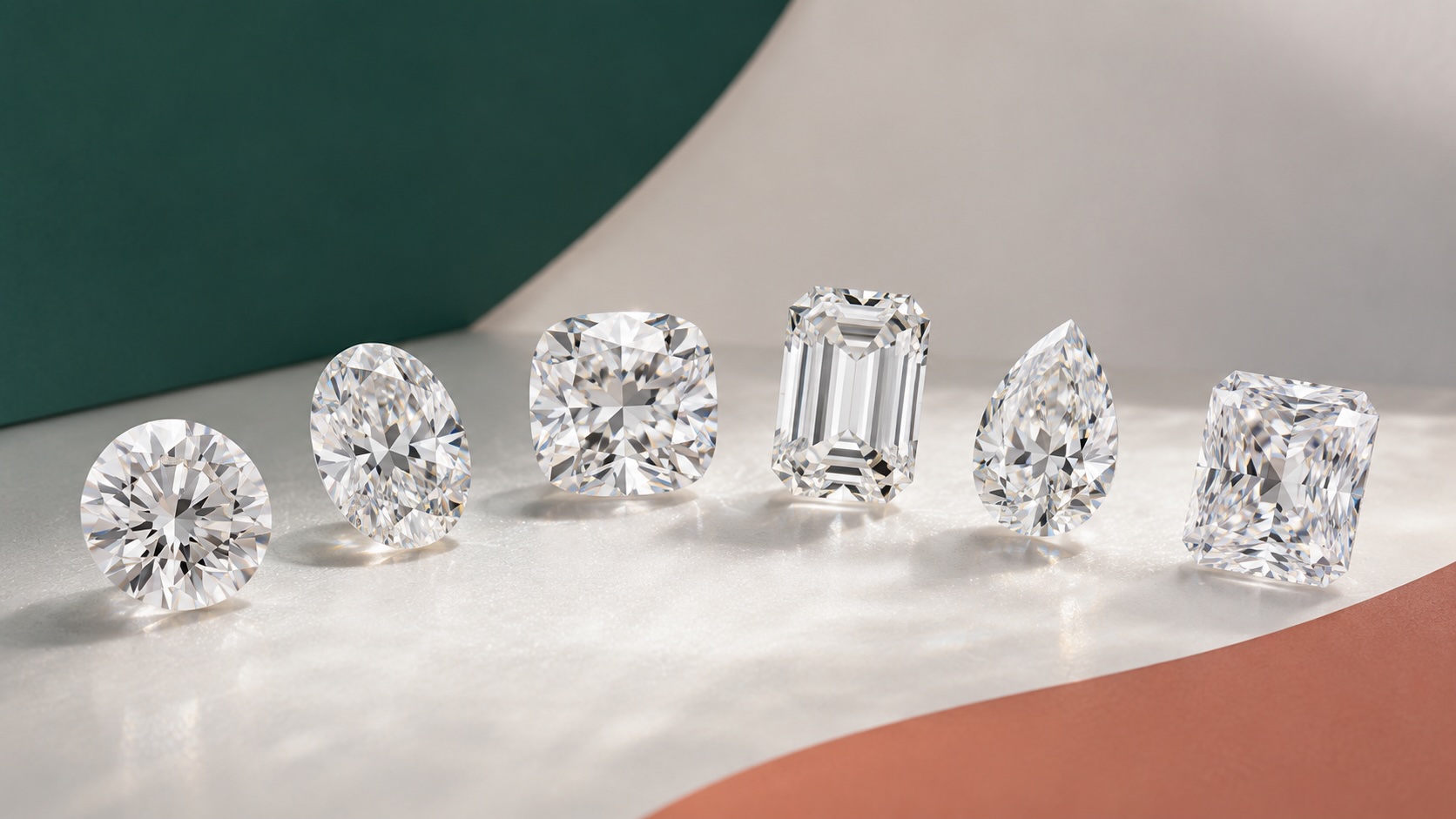
Why Lab Grown Diamond Shapes Matter in 2026
Lab grown diamonds have changed the way many buyers shop for engagement rings and fine jewelry. Because lab grown diamonds typically cost less than comparable natural diamonds, buyers often have more flexibility to choose a larger carat weight, a higher color grade, or a more distinctive shape within the same budget.
That has made diamond shape more important than ever. Instead of defaulting to the most traditional option, many buyers are choosing shapes that better reflect personal style, hand shape, setting preference, and visual impact.
In 2026, elongated diamond shapes are especially influential. Industry trend coverage notes that ovals, marquise cuts, elongated cushions, and other stretched silhouettes continue to gain attention because they offer strong finger coverage and a flattering appearance. National Jeweler reported that, according to The Knot’s study, oval diamonds were nearly equal in popularity to round diamonds, with ovals chosen by 25% of couples and rounds by 26%.
This does not mean round diamonds are fading. Instead, buyers are becoming more shape-conscious. They are comparing sparkle, spread, setting style, and personality before choosing.
1. Oval Lab Grown Diamonds
Oval lab grown diamonds are among the most popular shapes in 2026. They combine the brilliance of a modified round brilliant with an elongated outline that can make the finger appear longer and more slender.
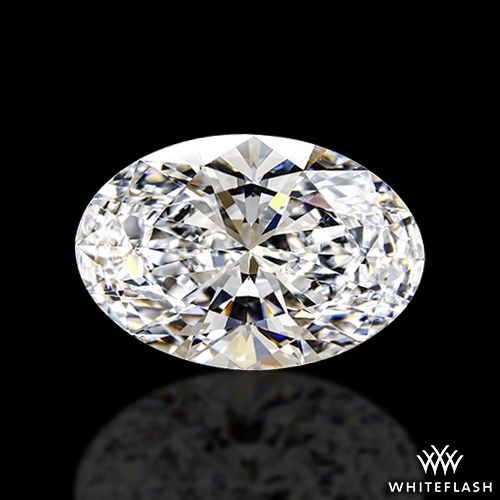
1.14 ct D VVS1 Oval Cut Precision Lab Grown Diamond from Whiteflash
Ovals are especially popular in lab grown diamonds because buyers can often choose a larger center stone than they might in a natural diamond budget. A larger oval has strong visual presence without feeling as formal or traditional as a round brilliant.
Why Oval Lab Grown Diamonds Are Popular
Oval diamonds appeal to buyers who want:
- A larger face-up appearance
- Elegant finger coverage
- A modern but timeless look
- Strong brilliance
- Compatibility with solitaire, halo, pavé, and three-stone settings
- A softer alternative to marquise or pear shapes
Oval diamonds also work beautifully in yellow gold, white gold, platinum, and rose gold. They can look classic in a simple solitaire or more fashion-forward in an east-west setting.
What to Watch For
The main issue with oval diamonds is the bow tie effect, a dark area across the center of the stone caused by light obstruction and facet structure. Some bow tie is normal in many elongated shapes, but it should not dominate the diamond.
When buying an oval lab grown diamond, evaluate:
- Bow tie visibility
- Length-to-width ratio
- Symmetry
- Brightness across the center
- Facet pattern
- Color concentration near the tips
- Overall outline
A popular oval length-to-width ratio is often around 1.35 to 1.50, though preference matters. A shorter oval can look softly rounded, while a longer oval appears more dramatic.
2. Round Brilliant Lab Grown Diamonds
Round brilliant lab grown diamonds remain one of the most important shapes in 2026. The round brilliant is the classic engagement ring diamond, and it is still the shape most associated with maximum sparkle.
Round diamonds have the advantage of more standardized cut grading than fancy shapes. This makes them easier to compare online, especially when buyers have access to grading reports, proportions, images, and light performance data.
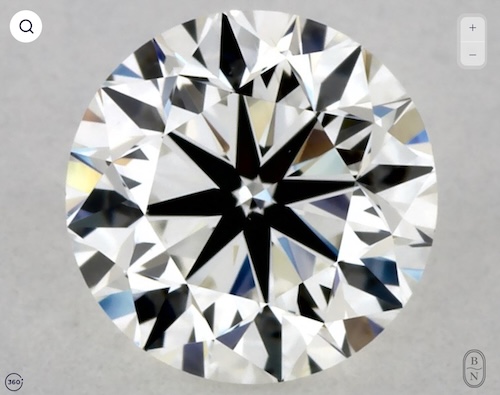
GIA 1.01 Carat H-VS2 Very Good Cut Round Diamond from Blue Nile
Why Round Lab Grown Diamonds Are Popular
Round brilliant diamonds appeal to buyers who want:
- Maximum sparkle potential
- A timeless engagement ring look
- Strong cut grading information
- Easy comparison between diamonds
- Broad setting compatibility
- A style that will not feel trend-dependent
Round lab grown diamonds are also excellent for stud earrings, pendants, tennis bracelets, and classic solitaire engagement rings.
What to Watch For
Not all round diamonds with excellent or ideal cut grades perform equally. Buyers should still review:
- Table percentage
- Depth percentage
- Crown angle
- Pavilion angle
- Girdle thickness
- Symmetry
- Polish
- Fluorescence
- Light performance images, when available
- Hearts and Arrows precision, when relevant
A well-cut round lab grown diamond can be exceptionally bright and lively. A poorly cut one may look dull despite having high color and clarity grades.
3. Cushion Cut Lab Grown Diamonds
Cushion cut lab grown diamonds are popular in 2026 because they offer a soft, romantic look with a blend of classic and modern appeal. Their rounded corners and pillow-like outline make them less sharp than princess or radiant cuts, but more distinctive than rounds.
Cushion cuts are especially versatile. They can appear vintage, minimalist, glamorous, or contemporary depending on their facet pattern and setting.
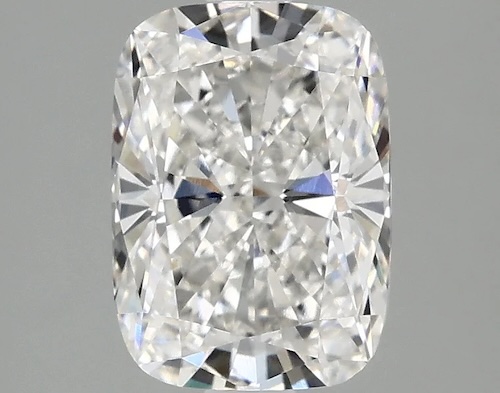
1.90 Carat Cushion Lab Grown Diamond from Brilliant Earth
Why Cushion Lab Grown Diamonds Are Popular
Cushion cuts appeal to buyers who want:
- A romantic shape
- Rounded corners
- Vintage-inspired styling
- A softer square or rectangular outline
- Strong presence in solitaire or halo settings
- A distinctive alternative to round and oval
Elongated cushion cuts are particularly popular in 2026 because they combine the softness of a cushion with the finger-lengthening appeal of an oval or emerald cut. Vogue’s 2026 engagement ring trend coverage also noted interest in elongated antique cushions and more individual, crafted-looking designs.
What to Watch For
Cushion cuts vary dramatically. Some have chunky facets, while others have a crushed-ice appearance. Neither is automatically better, but the buyer should choose intentionally.
When evaluating a cushion lab grown diamond, consider:
- Square versus elongated outline
- Chunky versus crushed-ice facet style
- Brightness distribution
- Face-up size
- Depth percentage
- Color concentration
- Clarity visibility
- Overall symmetry
Cushion cuts can sometimes retain weight in the depth, so compare millimeter measurements rather than carat weight alone.
4. Emerald Cut Lab Grown Diamonds
Emerald cut lab grown diamonds are a leading choice for buyers who want an elegant, understated, and sophisticated ring. Unlike round, oval, cushion, and radiant cuts, emerald cuts are step cuts. They have long, linear facets that create flashes of light rather than intense all-over sparkle.
The appeal of an emerald cut is its clarity, symmetry, and architectural beauty.
Why Emerald Lab Grown Diamonds Are Popular
Emerald cuts appeal to buyers who want:
- A refined, elegant look
- Clean lines
- Vintage or Art Deco influence
- A diamond that feels less conventional
- A shape that looks excellent in solitaires, bezels, and three-stone rings
- Strong finger coverage in elongated proportions
Emerald cuts are also highly compatible with yellow gold, platinum, and east-west settings.
What to Watch For
Emerald cuts reveal more than they hide. Their open facets make inclusions and body color easier to see than in brilliant cuts. This means clarity and transparency matter more.
When buying an emerald cut lab grown diamond, evaluate:
- Eye-clean clarity
- Crisp transparency
- Even brightness
- Symmetry
- Windowing
- Length-to-width ratio
- Step pattern
- Color appearance
- Polish quality
Many buyers prefer an emerald cut ratio around 1.30 to 1.50, though shorter and longer emerald cuts can both be beautiful depending on the setting.
5. Marquise Lab Grown Diamonds
Marquise lab grown diamonds are one of the most fashion-forward shapes in 2026. Their long, pointed silhouette creates dramatic finger coverage and a distinctive vintage-meets-modern look.
Marquise diamonds have gained renewed attention because buyers are looking for engagement rings with more individuality. Trend coverage for 2026 has repeatedly highlighted elongated shapes, including marquise cuts, as a major direction in engagement ring design.
Why Marquise Lab Grown Diamonds Are Popular
Marquise diamonds appeal to buyers who want:
- Maximum visual length
- A distinctive shape
- Strong finger coverage
- Vintage-inspired glamour
- A dramatic solitaire
- East-west or north-south setting options
- A diamond that looks larger for its carat weight
Because lab grown diamonds can make larger carat weights more accessible, a marquise shape can create a bold look without requiring the same budget as a comparable natural diamond.
What to Watch For
Marquise diamonds require careful evaluation. Their pointed ends need protection, and their symmetry must be attractive.
When evaluating a marquise lab grown diamond, look for:
- Balanced outline
- Symmetrical points
- Minimal bow tie
- No overly thin or overly wide shape unless intentional
- Protected tips in the setting
- Even brightness
- Good face-up spread
A marquise diamond can be stunning, but it should be chosen visually rather than by grading report alone.
6. Pear Shape Lab Grown Diamonds
Pear shape lab grown diamonds combine the roundness of an oval with the pointed elegance of a marquise. They are popular in 2026 for buyers who want something romantic, flattering, and distinctive.
Pear diamonds can be worn with the point facing up or down, and they work well in solitaire, halo, three-stone, and toi et moi designs.
Why Pear Lab Grown Diamonds Are Popular
Pear shapes appeal to buyers who want:
- A graceful, feminine shape
- Strong finger-lengthening effect
- A distinctive alternative to oval
- Good face-up size
- Romantic styling
- Compatibility with modern and vintage settings
Pear shapes can also look beautiful in pendants and drop earrings, making them popular beyond engagement rings.
What to Watch For
Pear diamonds need careful shape evaluation. A good pear should have a pleasing curve, balanced shoulders, and a well-defined point.
Check for:
- Symmetry
- Bow tie effect
- Tip protection
- Shoulder shape
- Length-to-width ratio
- Even brightness
- Color concentration near the point
- Facet pattern
A pear that is too narrow may look sharp and thin, while one that is too wide may lose elegance. Many buyers prefer ratios around 1.50 to 1.75, though taste varies.
7. Radiant Cut Lab Grown Diamonds
Radiant cut lab grown diamonds are popular with buyers who want a rectangular or square shape but prefer more sparkle than an emerald cut. Radiants have brilliant-style faceting, giving them lively light return and a bold modern appearance.
They are especially attractive in lab grown diamonds because larger radiant cuts can deliver strong presence and sparkle.
Why Radiant Lab Grown Diamonds Are Popular
Radiant cuts appeal to buyers who want:
- A square or rectangular shape
- More sparkle than an emerald cut
- A modern look
- Strong durability from cropped corners
- Compatibility with solitaire, halo, and three-stone settings
- A bold alternative to cushion cuts
Radiants are versatile and can look sleek in a solitaire or glamorous in a pavé or halo setting.
What to Watch For
Radiant cuts can vary in facet pattern and brightness. Some have a crushed-ice look, while others show broader flashes. Buyers should compare actual videos rather than relying only on the certificate.
Evaluate:
- Brightness distribution
- Facet pattern
- Length-to-width ratio
- Color appearance
- Depth and spread
- Symmetry
- Corner shape
- Transparency
Radiants can show color more than rounds, so buyers should consider color grade carefully, especially in larger sizes.
Other Lab Grown Diamond Shapes to Consider
Princess Cut
Princess cut lab grown diamonds were once among the most dominant fancy shapes. In 2026, they are less trend-driven than ovals, cushions, emeralds, and marquise cuts, but they remain a good option for buyers who want a crisp square shape with strong sparkle.
The main consideration is corner protection. Princess cuts have sharp corners that should be protected by the setting.
Asscher Cut
Asscher cuts are square step cuts with clipped corners and a vintage Art Deco character. They are less common than emerald cuts but appeal to buyers who want symmetry, structure, and a distinctive look.
Like emerald cuts, Asschers require higher attention to clarity and transparency.
Elongated Antique Cuts
Antique-style cushions, old mine cuts, and old European-inspired lab grown diamonds are gaining interest among buyers who want character rather than perfectly standardized modern brilliance. 2026 trend coverage has emphasized individuality, vintage influence, and more personal ring design.
These cuts should be chosen with careful visual review because their beauty is more about personality, facet charm, and design harmony than conventional grading alone.
Most Popular Lab Grown Diamond Shapes Ranked for 2026
1. Oval
Best for buyers who want an elegant, elongated shape with strong visual size and modern popularity.
2. Round Brilliant
Best for buyers who want classic sparkle, easier cut comparison, and timeless appeal.
3. Cushion
Best for buyers who want a soft, romantic shape that can feel vintage or modern.
4. Emerald
Best for buyers who want clean lines, understated elegance, and a step-cut look.
5. Marquise
Best for buyers who want maximum drama, finger coverage, and a distinctive shape.
6. Pear
Best for buyers who want a graceful, romantic shape with a flattering silhouette.
7. Radiant
Best for buyers who want a rectangular or square diamond with strong brilliance.
How Lab Grown Diamonds Influence Shape Choice
Lab grown diamonds often allow buyers to consider shapes and sizes that may be less accessible in natural diamonds at the same budget. This has helped fuel demand for larger ovals, elongated cushions, emerald cuts, radiant cuts, marquise diamonds, and pear shapes.
A larger lab grown diamond can make shape more expressive. For example:
- A 2 carat oval has a very different presence from a 1 carat oval.
- A larger emerald cut makes the step pattern more visible.
- A larger marquise creates dramatic finger coverage.
- A larger cushion can emphasize either romantic softness or bold sparkle.
- A larger radiant offers strong brilliance with a modern shape.
However, larger size also makes quality issues more visible. Inclusions, color nuance, bow ties, haziness, and poor cut quality can be easier to notice in bigger diamonds.
This is why buyers should not simply choose the largest lab grown diamond available within budget. Shape, cut quality, and appearance must work together.
Best Lab Grown Diamond Shapes by Buyer Priority
Best for Maximum Sparkle: Round Brilliant
Round brilliant diamonds are the safest choice for buyers who want the strongest sparkle potential and the most established cut grading.
Best for a Larger Look: Oval, Marquise, and Pear
These elongated shapes often appear larger for their carat weight because they spread across the finger more visibly.
Best for Modern Elegance: Emerald Cut
Emerald cuts offer clean lines, quiet luxury, and architectural style.
Best for Romantic Style: Cushion Cut
Cushions have a soft, romantic outline that works beautifully in solitaires, halos, and vintage-inspired settings.
Best for Distinctive Style: Marquise
Marquise diamonds feel bold, glamorous, and less common than ovals or rounds.
Best for Balanced Brilliance and Shape: Radiant
Radiants offer a rectangular or square outline with more sparkle than step cuts.
How to Choose the Right Lab Grown Diamond Shape
Consider Personal Style
A diamond shape should match the wearer’s style, not just current trends. A round brilliant feels classic. An oval feels elegant and modern. An emerald cut feels refined. A marquise feels dramatic. A cushion feels romantic. A radiant feels bold. A pear feels graceful and distinctive.
Consider Hand Shape
Elongated shapes such as oval, pear, marquise, emerald, and elongated cushion can visually lengthen the finger. Round and square shapes often feel more balanced and traditional.
Consider Setting Style
Some shapes suit certain settings especially well:
- Round: solitaire, pavé, halo, six-prong, three-stone
- Oval: solitaire, hidden halo, three-stone, east-west
- Cushion: halo, solitaire, vintage-inspired, pavé
- Emerald: solitaire, bezel, three-stone, Art Deco
- Marquise: solitaire, east-west, vintage-inspired
- Pear: solitaire, halo, toi et moi
- Radiant: solitaire, halo, three-stone, pavé
Consider Cut Evaluation
Round diamonds are easier to evaluate with standardized cut grades. Fancy shapes require more visual review. For elongated shapes, bow tie and outline are especially important. For step cuts, clarity and transparency are especially important.
Consider Long-Term Taste
Trends are useful, but engagement rings are worn for years. Choose a shape that feels personally meaningful and wearable, not just popular in 2026.
Common Mistakes to Avoid
Choosing Shape Only by Trend
A popular shape is not automatically the right shape. The best choice is the one that suits the wearer’s style, hand, and setting preference.
Ignoring Cut Quality
Lab grown diamonds still need excellent cutting. A poorly cut lab grown diamond can look dull even if it has high color and clarity grades.
Buying the Largest Diamond Possible
Lab grown diamonds make larger sizes more accessible, but size should not come at the expense of beauty. A smaller, better-cut diamond can look more impressive than a larger, poorly performing stone.
Overlooking Bow Tie in Elongated Shapes
Ovals, pears, marquise cuts, and some radiants can show bow tie effects. Always review videos or images.
Choosing Emerald Cuts Without Checking Clarity
Emerald cuts reveal inclusions and body color more easily than brilliant cuts. Clarity, transparency, and color should be evaluated carefully.
Assuming All Cushions Look the Same
Cushion cuts vary widely. Compare facet patterns before choosing.
Forgetting About the Setting
A shape should work with the setting. Pointed shapes need protection. Large elongated stones need secure prongs. Step cuts may look especially elegant in bezels or three-stone settings.
Expert Gemological Explanation
Diamond shape affects far more than appearance. It changes how the diamond interacts with light, how large it appears for its carat weight, how easily inclusions are seen, and how the stone should be set.
Round brilliant diamonds are designed around highly refined light performance principles. Because of their symmetry and established cut grading, they are often the most predictable choice for brilliance when well cut.
Fancy shapes are more variable. Ovals, marquise cuts, pears, cushions, and radiants use modified brilliant faceting, but their elongated or non-round outlines create different light behavior. Bow ties, uneven brightness, crushed-ice patterns, and weight distribution can vary significantly. This is why actual images and videos are essential.
Step cuts such as emerald and Asscher diamonds behave differently. They produce broad flashes and a hall-of-mirrors effect rather than the intense scintillation of brilliant cuts. Their large open facets reveal inclusions, color, and transparency characteristics more readily.
Lab grown diamonds add another layer of evaluation. While they can offer excellent value and impressive size, they should still be checked for growth-related characteristics, color nuance, strain, and overall transparency. A beautiful lab grown diamond depends on both growth quality and cutting quality.
In 2026, the popularity of elongated and distinctive shapes reflects both style trends and the practical advantages of lab grown diamonds. Buyers can access larger stones and more expressive shapes, but the best results still come from careful gemological selection.
Buyer Guidance: Which Lab Grown Diamond Shape Should You Choose?
Choose Oval If…
You want a popular, elegant, elongated diamond with strong finger coverage and modern appeal.
Choose Round Brilliant If…
You want timeless sparkle, easier cut comparison, and a classic engagement ring appearance.
Choose Cushion If…
You want a soft, romantic shape that can be vintage-inspired, modern, or glamorous.
Choose Emerald If…
You want clean lines, understated sophistication, and a refined step-cut look.
Choose Marquise If…
You want a bold, distinctive diamond with dramatic length and maximum visual spread.
Choose Pear If…
You want a graceful, romantic shape that feels elegant and slightly unconventional.
Choose Radiant If…
You want a rectangular or square diamond with strong brilliance and a modern personality.
Final Recommendation
The most popular lab grown diamond shapes in 2026 are oval, round brilliant, cushion, emerald, marquise, pear, and radiant. Oval diamonds are especially strong because they offer elegance, visual size, and a flattering elongated look. Round brilliants remain the classic choice for sparkle, while cushion and emerald cuts appeal to buyers who want romance or refinement. Marquise, pear, and radiant cuts are excellent choices for buyers who want more individuality.
Lab grown diamonds make larger and more distinctive shapes more accessible, but buyers should still focus on cut quality, certification, imagery, transparency, and setting compatibility. The best lab grown diamond shape is not simply the most popular one. It is the shape that looks beautiful, suits the wearer, and performs well in real life.